
Curriculum Breakdown
1
Foundations of IoT
Basic
IoT Overview
- Definition & Enabling Technologies.
- Paradigm for IoT Systems.
- Data Management Aspects in IoT.
- IoT Application Domains/Uses.
Assessment: Formative: 10
Intermediate
IoT Programming Overview
- Introduction to IoT Programming.
- Introduction to the IoT Microcontrollers.
- Introduction to Embedded Programming.
- Introduction to IoT and Embedded Systems Programming Models.
Assessment: Formative: 10
Advanced
IoT Hardware Overview
- Most Notable Platforms.
- Introduction to sensors and sensing.
- Introduction to Actuators and Output Devices.
- 2.2 Assessment.
Assessment: Formative: 10, Summative: 20
2
Network & System Design
Basic
IoT Communication & Networking
- Introduction to IoT Communication and Networking.
- Introduction to IoT design methodologies.
- IoT system design principles & goals.
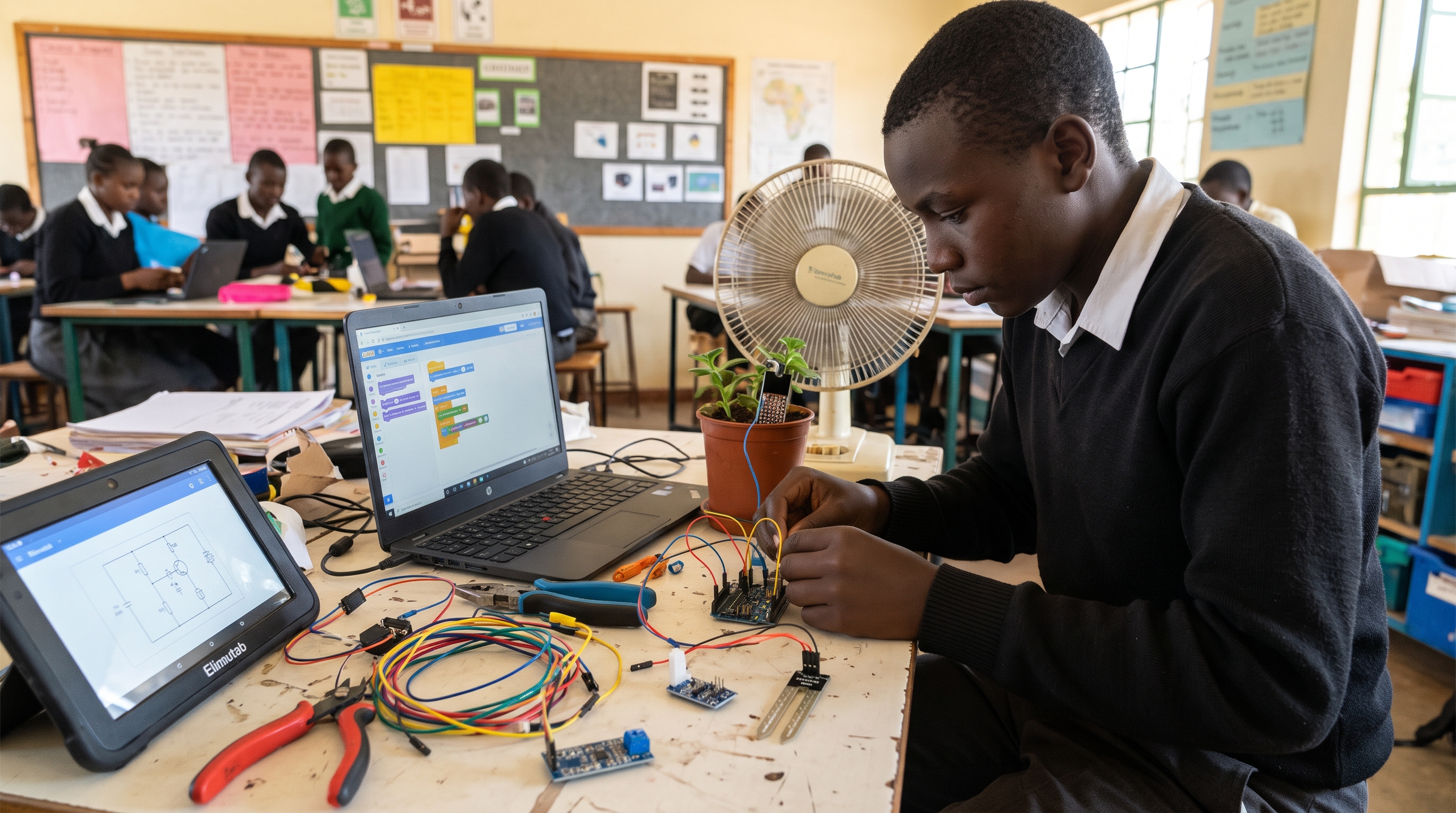
- Hands-on Activity: Smart Watering System.
Assessment: Formative: 10
Intermediate
IoT Design
- IoT System Design Challenges.
- Intro to IoT Architectures, Storage & Visualization techniques.
- IoT Network Design, Data Analysis, Data Privacy/Security.
- Project: Build a simple Smart Home Security System.
Assessment: Formative: 5
Advanced
Key Components
- Raspberry Pi (4 Model B or Zero 2 W), Camera Module.
- Motion Sensor, Door/Window Contact Sensor.
- Other (Jumper wires, breadboard, power supply, microSD card).
- Discuss the Ethical or social impact of your designs. 2.2 Assessment.
Assessment: Formative: 5, Summative: 20
3
Security & Sustainability
Basic
IoT Security
- Introduction to Cybersecurity Concepts.
- Understanding IoT Hardware & Cybersecurity.
- Introduction to IoT Security Technologies.
- IoT Data Storage Security.
Assessment: Formative: 10
Intermediate
Green IoT Design
- Introduction to Green IoT Design.
- Understanding Green IoT energy-efficient design and mechanisms.
- Energy sources for IoT.
- Energy harvesting for IoT systems.
Assessment: Formative: 10
Advanced
System Design Challenges
- IoT System Design Challenges.
- Green IoT Applications.
- Project: Students can explore potential vulnerabilities of a Smart Home Security System.
Assessment: Formative: 5, Summative: 20
4
Programming & Protocols
Basic
Microcontrollers & Privacy
- Intro to microcontrollers like Raspberry Pi, Arduino, or micro: bit.
- Understanding Python for programming microcontrollers.
- Understand IoT Data & Privacy.
- Hands-on Activities.
Assessment: Formative: 10
Intermediate
Networking & Protocols
- Connecting to the Cloud.
- Understand IoT-supported protocols.
- Hands-on Activities.
Assessment: Formative: 10
Advanced
Advanced Implementation
- Project: Air Quality Monitoring System (Students create a system with sensors to measure pollutants in the air and send the data to a cloud platform for analysis and real-time visualization).
- 2.2 Assessment.
Assessment: Summative: 20